
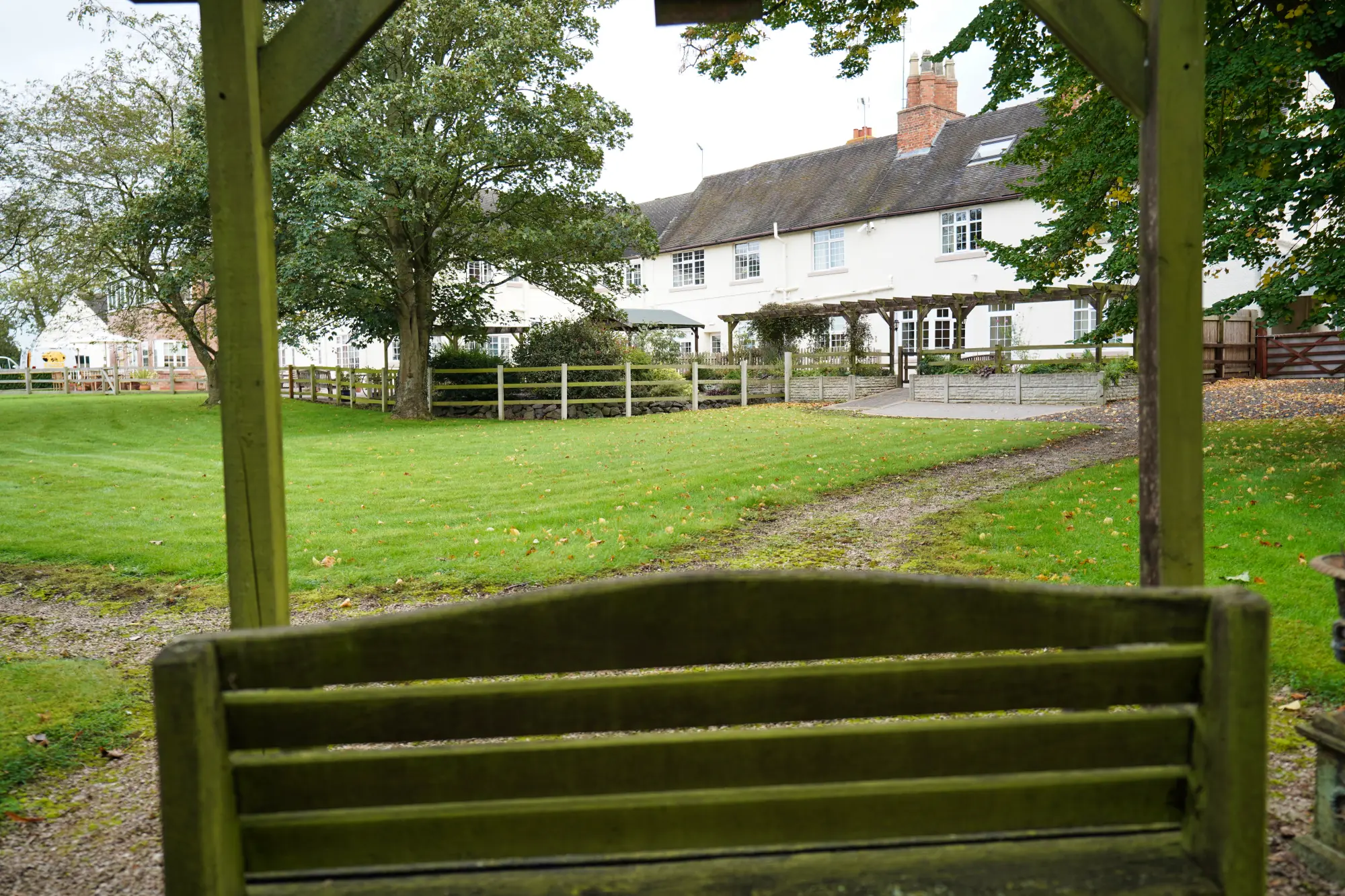
Families may be considering residential care, dementia support, respite care or nursing care, but the differences between these options are not always immediately clear.
Hoar Cross Nursing and Care Home provides care for people with a wide variety of needs. Alongside nursing care, the home offers non-nursing residential care for people with and without dementia. Non-nursing respite care may also be available, subject to an assessment of the individual’s needs and current availability.
Although nursing care is the principal focus of this guide, Hoar Cross is not only for people who require clinical support. Many residents move into the home because they need help with everyday living, personal care or companionship but do not require routine nursing intervention.
A valuable benefit of choosing a home that provides both residential and nursing care is the potential to remain in the same familiar environment if needs increase.
A person may initially be admitted as a residential resident. If they later require nursing care, their support may be able to change without them moving to another home.
What is nursing care?
Nursing care is for people who require regular clinical support from qualified nurses, as well as help with everyday activities.
This may include medication management, wound care, pain relief, monitoring long-term conditions, supporting nutrition and hydration or managing pressure-area risks.
Some residents require nursing care following a hospital admission, operation, stroke or fracture. Others may have a progressive medical condition or become increasingly frail over time.
Good nursing care should always look beyond a person’s diagnosis. It should take account of their comfort, abilities, emotional wellbeing, communication, personal preferences and overall quality of life.
At Hoar Cross, nursing care is tailored to the individual and delivered within a warm, homely environment. The team aims to promote dignity, independence and personal choice while providing the clinical support each resident needs.
How does residential care differ from nursing care?
Residential care is a non-nursing service for people who require support with daily living but do not need regular care from a qualified nurse.
A residential resident may need help with:
- Washing, dressing and personal care
- Taking routine medication
- Eating and drinking
- Moving around safely
- Maintaining familiar daily routines
- Social interaction and companionship
- Managing frailty or memory loss
- Taking part in meaningful activities
Hoar Cross provides residential care for people both with and without dementia.
Dementia care does not necessarily mean nursing care. Someone living with Alzheimer’s disease, vascular dementia or another form of dementia may primarily need help with memory, orientation, communication, reassurance and personal care.
Another person with dementia may have additional physical health conditions that require nursing support. An individual assessment will help determine the appropriate level of care.
Why choose residential care within a nursing home?
Some older people move into care because they no longer feel safe or confident living independently. They may need help with meals, personal care, medication or mobility but have no nursing needs at the time of admission.
As a person grows older, their health may change. They may become frailer, develop another medical condition or need closer clinical monitoring. A home providing both residential and nursing care may be able to adapt the resident’s support as their needs develop.
This can help avoid the disruption of moving to another care setting. The resident may be able to remain in familiar surroundings, supported by staff who already know their routines, preferences and personal history.
Continuity can be particularly important for someone living with dementia. Familiar people, surroundings and routines can provide reassurance and help reduce unnecessary anxiety or confusion.
A transition from residential to nursing care will always depend on an assessment and the home’s ability to support the person safely. Experience supporting a wide range of medical conditions. As well as providing general nursing care, the nursing staff at Hoar Cross have extensive experience caring for people with a range of health conditions.
These include debilitating and progressive illnesses such as dementia, including Alzheimer’s disease and vascular dementia. Dementia may affect memory, communication, behaviour, mobility and a person’s ability to complete everyday activities.
The team also supports residents living with cancer. Individual needs may vary according to the person’s diagnosis, treatment, symptoms and stage of illness. Support may include medication, pain management, nutrition, personal care and liaison with relevant clinicians.
Residents may require nursing care for disorders of the circulatory system, including stroke and heart failure. These conditions can affect energy, strength, speech, movement and independence.
The nursing team also has experience supporting people with disorders of the nervous system, including Parkinson’s disease and Huntington’s disease. These illnesses may affect movement, coordination, swallowing, speech and cognition, with care needs changing as the condition progresses.
Musculoskeletal conditions, including osteoarthritis and bone fractures, can lead to pain, stiffness and reduced mobility. Support may include safe moving and handling, pain management, pressure-area care and assistance with daily activities.
A diagnosis is only one part of the picture. The team considers how the condition affects the individual and what support will help maintain their comfort, dignity and quality of life.
Personalised and holistic support
Every resident should have an individual care plan, whether they receive residential or nursing care. The plan may cover medication, mobility, nutrition, communication, skin care, continence, sleep and emotional wellbeing. It should also reflect the person’s routines, interests, relationships, preferences and wishes.
Holistic care means considering the whole person rather than focusing only on symptoms or clinical tasks. A resident’s social, emotional, cultural and spiritual needs can all influence their wellbeing. Meaningful activity, companionship, familiar routines and continued contact with family and friends are important parts of life within a care home.
Independence should also be encouraged wherever possible. This may mean choosing clothing and meals, deciding how to spend the day, continuing with a hobby or completing part of a daily task with support.
Access to external healthcare professionals
Residents may need input from their GP or other healthcare professionals during their stay at Hoar Cross. Where there is an identified clinical need, the GP may make a referral to another NHS professional. This could include a physiotherapist, dietitian or Speech and Language Therapist. Access is based on individual need and an appropriate referral, normally made by the resident’s GP or another clinician.
Routine chiropody can also be arranged separately where available. Residents generally choose to pay for this service themselves. Families are encouraged to speak to the home about how external appointments, referrals and any privately arranged services are managed.
The care team can communicate with external professionals and follow relevant recommendations as part of the resident’s day-to-day support.
Non-nursing respite care
Hoar Cross also offers respite care in a non-nursing capacity, subject to assessment and availability.
Respite care can help when a family carer needs a break, is going on holiday or is temporarily unable to provide support. It may also be suitable for an older person who needs a short period of assistance or would like to experience living in a care home before considering a permanent move.
A respite stay may last for a short period or several weeks, depending on the individual’s circumstances. Before admission, the team will assess the person to ensure their needs can be safely met within a non-nursing respite placement.
Compassionate palliative and end-of-life care
Hoar Cross has particular experience in delivering compassionate palliative and end-of-life care.
The team works closely with the local hospice and other relevant clinicians to support residents living with life-limiting conditions.
Palliative care focuses on comfort, dignity, symptom management and the best possible quality of life. Nursing support may include pain management, medication, personal care, monitoring symptoms and helping the person remain comfortable.
The team takes a holistic approach to end-of-life care. This means supporting the resident socially, emotionally and spiritually, as well as meeting their physical and clinical needs.
Personal, cultural and religious wishes should be respected. Families should also receive clear information, reassurance and compassionate support throughout this stage.
Discussing the right care for your relative
Hoar Cross Nursing and Care Home provides nursing care as well as residential care for people with and without dementia. Non-nursing respite care may also be available.
The availability of different levels of care means a person may be able to enter the home as a residential resident and later receive nursing care without moving elsewhere, provided Hoar Cross can continue to meet their needs safely.
Whatever the clinical or personal care needs of your loved one, an individual assessment and confidential conversation are the best ways to establish whether the home is suitable.
Please contact Home Manager Fiona Kersey on 01283 575210 to discuss your requirements.