
Finding the right dementia care for someone you love can feel overwhelming. Families often begin their search at a time of worry, when daily life at home has become more difficult, safety concerns have increased, or a loved one is beginning to need more consistent support.
At Hoar Cross Nursing and Care Home, dementia care in Burton upon Trent is delivered with warmth, patience and understanding. The focus is not only on meeting care needs, but on helping each person feel safe, reassured, valued and at home.

Dementia care is deeply personal. It should never feel clinical, rushed or one-size-fits-all. For many people living with dementia, comfort comes from familiarity: familiar routines, familiar faces, familiar surroundings and familiar ways of being supported. That sense of reassurance is central to life at Hoar Cross Nursing and Care Home.
Dementia is an umbrella term used to describe a range of conditions that affect memory, thinking, communication and daily living. Alzheimer’s disease is the most common form of dementia, but every person’s experience is different.
This is why choosing a dementia care home in Staffordshire that families can trust is so important. Good dementia care is not simply about managing symptoms. It is about understanding the whole person: their life story, preferences, routines, relationships, personality and the things that help them feel calm and secure.
At Hoar Cross Nursing and Care Home, care is shaped around the individual, supporting residents through each stage with dignity and compassion.
For someone living with dementia, unfamiliar situations can sometimes feel confusing or unsettling. A change in routine, a noisy environment or too much choice at once can increase anxiety. Familiarity, however, can create comfort.
That is why dementia care that feels familiar is so important. It helps residents understand what is happening around them and feel more confident in their day.
At Hoar Cross, familiarity is created through gentle daily rhythms, supportive relationships and a calm, homely environment. Residents are encouraged to take part in everyday life in ways that feel natural to them. This might include enjoying breakfast at a preferred time, sitting in a favourite place, joining an activity, listening to familiar music, spending time outdoors, or simply having a quiet conversation with someone they trust. These moments may seem small, but in dementia care they can make a meaningful difference.
Routines can be especially helpful for people living with dementia. Predictable patterns can reduce uncertainty, support orientation and make the day feel more manageable. At Hoar Cross Nursing and Care Home, dementia friendly routines are designed to provide structure without removing choice. Residents may benefit from regular mealtimes, familiar personal care routines, calm transitions between parts of the day, and activities that reflect their interests and abilities.
A good routine does not mean every day has to be identical. It means there is a reassuring framework, with flexibility built in. One resident may enjoy joining a group activity in the morning, while another may prefer a quieter start to the day. Someone may feel comforted by a regular cup of tea in the afternoon or by listening to music they have always loved.
By understanding these personal preferences, care teams can create daily routines that feel supportive rather than restrictive.
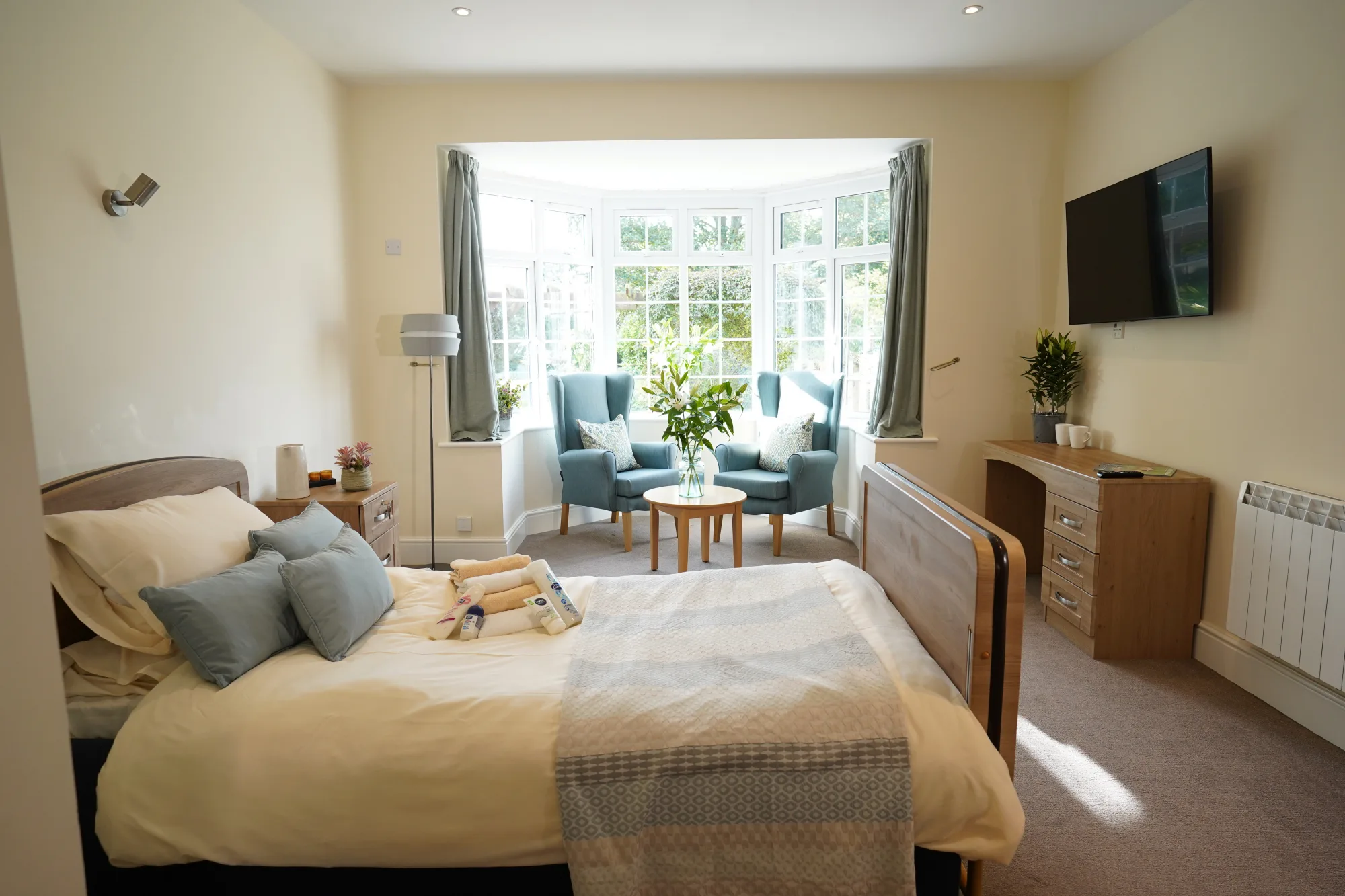
The environment plays a major role in dementia care. A comfortable, homely setting can help people feel settled, while a confusing or overly busy space can sometimes increase distress.
At Hoar Cross Nursing and Care Home, the aim is to provide a safe and welcoming environment where those living with dementia can feel at ease. Familiar surroundings, calm spaces and thoughtful support all help to create reassurance.
For people living with dementia, reassurance may come from knowing where they are, recognising the people around them, being supported with patience, or having someone nearby who understands how to respond if they become anxious or confused.
Safety is also an important consideration. Families may begin looking for dementia care because they are worried about falls, medication, nutrition, wandering, loneliness or a loved one being alone for long periods. A care home environment provides support throughout the day and night, helping families feel more confident that their loved one is safe.
However, safety should always be balanced with dignity and independence. At Hoar Cross, Nursing and Care Home individuals are supported to do as much as they can for themselves, with encouragement and assistance when needed.
Families searching for Alzheimer’s and dementia care often want reassurance that their loved one will be understood as their condition progresses. Alzheimer’s is the most common form of dementia that can affect memory, communication, mood, recognition and daily living skills, but it does not change the person’s need for kindness, connection and respect.
Compassionate dementia care involves patience and observation. It means noticing not only what a person says, but what they may be communicating through their behaviour, expression or emotions. A person who appears unsettled may be tired, in pain, hungry, overwhelmed or looking for something familiar. A person who repeats a question may not simply need the answer again, but the reassurance behind the answer.
At Hoar Cross Nursing and care Home, the approach to dementia care is gentle and person-centred. Care teams support with understanding, helping them feel heard, safe and respected.
Life in a dementia care home should continue to include purpose, enjoyment and social connection. People living with dementia still benefit from companionship, activity, fresh air, laughter, creativity and meaningful interaction. At Hoar Cross Nursing and Care Home, individuals are supported to enjoy days that reflect their abilities and preferences. Activities may include music, reminiscence, crafts, gentle exercise, sensory experiences, conversation, celebrations, time in the garden, or visits from the wider community.
For some, taking part in a group activity can bring confidence and companionship. For others, wellbeing may come from quieter one-to-one moments, such as looking through photographs, enjoying a hand massage, listening to a favourite song or chatting over a cup of tea.
The most important thing is that each individual living with dementia is supported as an individual. Meaningful dementia care is not about filling the day for the sake of it. It is about recognising what brings comfort, identity and joy.
If you want a straightforward way to narrow your care options down:
- If the issue is mainly day-to-day tasks and safety at home → residential care
- If there are ongoing health needs, complex medication or clinical monitoring → nursing care
- If memory loss is driving safety risks, distress, or routine breakdown → dementia care
- If support is needed temporarily (recovery or carer break) → respite care
And it’s worth knowing: many people’s needs evolve. The goal is to choose what’s right now, with a plan for how support can adapt.
Dementia affects the whole family. Relatives may feel grief, guilt, exhaustion, uncertainty or relief when care becomes necessary. These emotions are normal, and families should feel supported too.
That is why supporting families through dementia care is such an important part of the work at Hoar Cross Nursing and Care Home. Families know their loved one better than anyone. Their knowledge, memories and insight can help the care teams understand personal routines, important relationships, past occupations, favourite foods, hobbies, music, faith, habits and life stories.
This partnership helps create care that feels more familiar and personal. It also helps families remain actively involved in their loved one’s life, even when day-to-day care is being provided by the care home.
Good communication matters. Families need to feel reassured that their loved one is safe, settled and treated with dignity. They need to know that questions are welcomed and that care is delivered with compassion.
Dementia is progressive, which means care needs may change over time. Someone may initially need gentle reminders, companionship and support with confidence. Later, they may need more help with personal care, nutrition, mobility, communication or emotional reassurance.
This continuity can be incredibly reassuring for families. Rather than facing every change alone, they have the support of a caring team who understands dementia and knows their loved one as a person.
When choosing a dementia care home in East Staffordshire, families often ask themselves important questions. Will my loved one be safe? Will they be treated kindly? Will they have meaningful things to do? Will staff understand dementia? Will we still be part of their life? Will the home feel warm and familiar? These questions matter because dementia care is about trust.
At Hoar Cross Nursing and Care Home, dementia care is built around safety, familiarity, routine and reassurance. Those living with dementia are supported to live with dignity, comfort and connection, while families are supported with understanding and compassion.
For those looking for dementia care in Burton upon Trent, East Staffordshire, Hoar Cross Nursing and Care Home offers a caring environment where every stage of the dementia journey is met with patience, respect and kindness.