
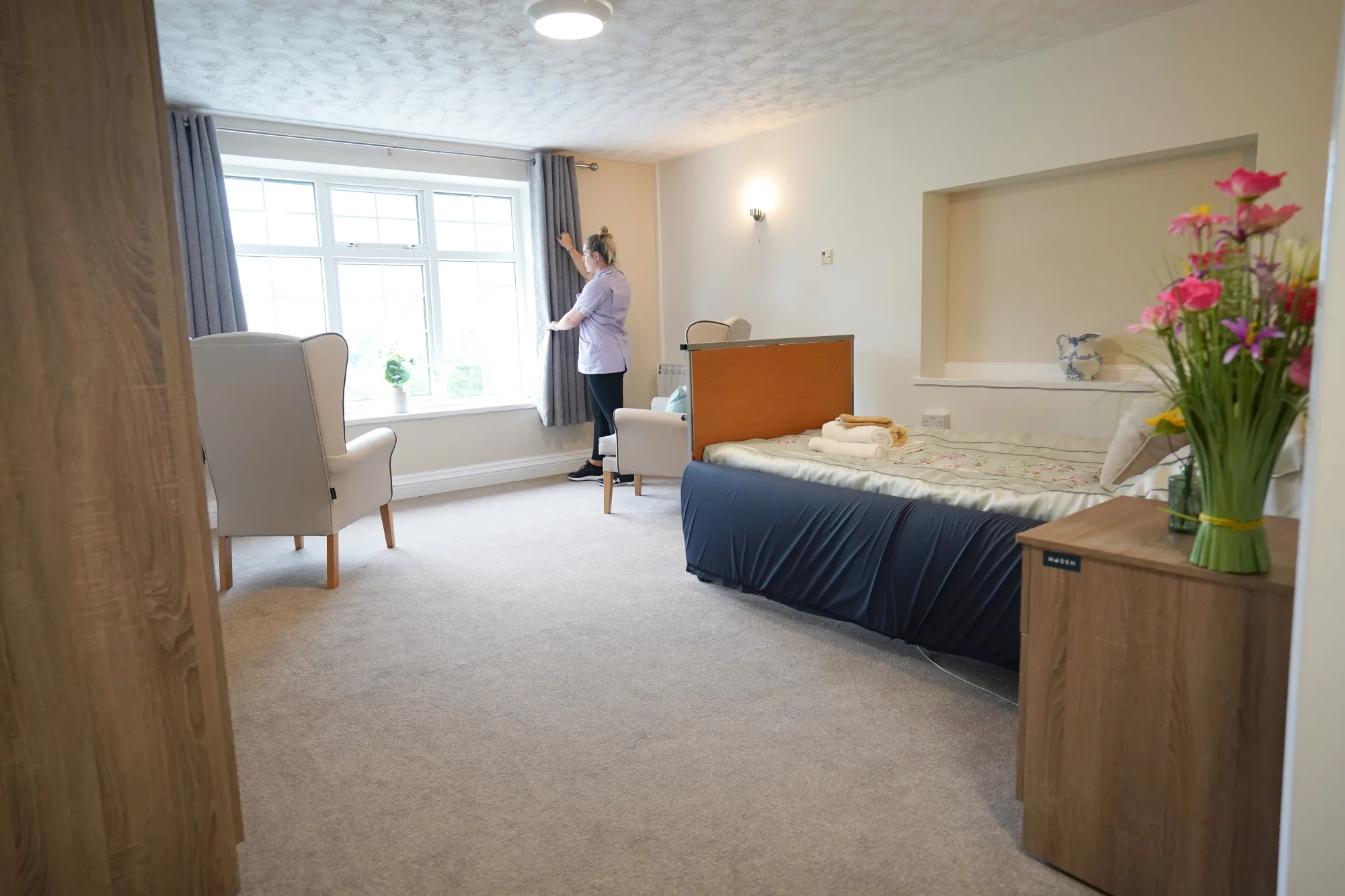
A Reassuring Guide to Rooms at Hoar Cross
Choosing a care home is a big decision, and for many people one of the first questions is also one of the most personal; what will my room look like?
It is completely natural to wonder about this. Whether you are exploring residential and nursing care in Burton on Trent for yourself or for someone you love, the thought of moving into a new setting can feel emotional. Your room is not just where you sleep. It is your own private space, your place to relax, your place for treasured belongings, and a key part of feeling settled and secure.
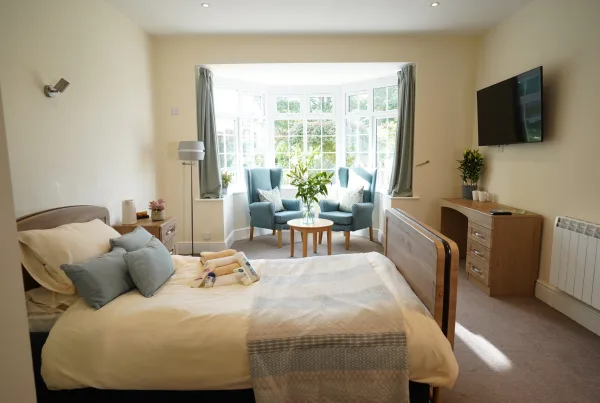
At Hoar Cross Care and Nursing Home, we understand how important that is. We know that moving into a care home is about much more than care alone. It is about comfort, reassurance, dignity and creating an environment that feels warm, familiar and personal from day one.
A care home bedroom should feel calm, comfortable and your own. When people picture a care home bedroom, they sometimes worry it might feel clinical or impersonal. In reality, a good care home room should feel welcoming, safe and homely.
At Hoar Cross, rooms are designed to offer comfort and practicality while still feeling pleasant and personal. A bedroom in a nursing or residential care setting is there to support daily life with ease, but it should also feel like somewhere you can truly be yourself.
For many residents, the bedroom quickly becomes a place of routine and reassurance. It may be where you enjoy a quiet cup of tea, read the paper, watch television, speak to family on the phone or simply rest in peace. That is why the overall look and feel of the room matters so much.
A well-prepared room should be clean, comfortable, bright and thoughtfully arranged. It should provide the essentials needed for safety and support while still leaving room for the things that make life familiar.
Although every home is slightly different, most rooms in a residential or nursing home include the main furniture and features needed for everyday living. This often includes a bed, storage space such as a wardrobe and drawers, a chair, bedside furniture, curtains or blinds, and room for personal items and decorations. In a nursing setting, the room may also be arranged in a way that supports changing care needs, ensuring comfort and accessibility remain a priority.
At Hoar Cross, the aim is to provide a room that feels ready to welcome someone in, while also offering flexibility for personal touches. Families often feel relieved when they see that a room does not have to stay exactly “as is.” Instead, it can become a much more familiar and comforting environment with the right belongings around it.
Personalising a care home room makes a real difference. One of the biggest steps in settling in is making the room feel personal. A new room becomes much more reassuring when it includes familiar objects from home. This is why personalising a care home room is so important. The right touches can help a resident feel connected to their identity, memories and routines, rather than feeling as though they are in a completely unfamiliar place.
Simple items can make a huge difference. Family photographs, framed pictures, a favourite blanket or throw, a beloved cushion, ornaments, books, a clock, a lamp, or even a cherished chair can all help the room feel more like home.
These details are especially important during the early days of a move. They provide continuity, comfort and a sense of ownership. Instead of feeling like a temporary space, the room begins to feel like their room.
For some people, keeping a few favourite toiletries, using a familiar bedspread, or having their preferred radio station playing softly in the background can be incredibly grounding. Small comforts can have a powerful emotional impact.
Families often ask about what to bring to a care home, and the answer is usually a balance between practical essentials and personal comforts. Useful items often include everyday clothing, nightwear, slippers, toiletries, glasses, hearing aids, favourite books or magazines, and any personal care items someone uses regularly. Labelled clothing is often helpful, and it is worth choosing outfits that are comfortable, easy to wear and suitable for the seasons.
Alongside practical items, it is the personal possessions that often matter most. Photos of family, wedding pictures, children’s drawings, favourite ornaments, small pieces of artwork, a treasured blanket, or a familiar cushion can all help to create a reassuring atmosphere.
Some residents also like to bring a television, a radio, or small items of furniture and keepsakes that reflect their hobbies and interests. Others may prefer a more minimal room with just a few carefully chosen belongings. There is no single right answer. The goal is to create a space that suits the individual.
Before moving in, it is always helpful to speak with the care team about what can be brought, what is already provided, and how the room can best be arranged. That conversation can make the whole process feel much easier and more organised.
Settling in to a care home takes time, and that is perfectly normal. Even with a warm welcome and a lovely room, settling in does not always happen overnight. A move into residential or nursing care is a major life transition, and it is completely normal for it to take time.
Some people adjust quickly and enjoy making their room their own straight away. Others need a little more reassurance, more familiar routines, and the comfort of regular visits and ongoing support from staff and loved ones.
This is where kindness, patience and understanding matter so much. A room can play a key role in helping someone feel calmer during this stage. Familiar possessions, thoughtful layout, favourite clothing and a few cherished items from home can all support that emotional adjustment.
At Hoar Cross Care and Nursing Home, we understand that every resident is different. Some may want their door open so they can feel part of the home’s daily life. Others may value more time in their private space while they grow in confidence. A reassuring care environment respects both.
When looking at residential and nursing care in and around Burton on Trent, families often focus first on care needs, staffing and location. These are, of course, hugely important. But it is equally important to think about the lived experience of daily life.
What does the room feel like? Can it be personalised? Will it support comfort, dignity and independence? Will the person living there feel safe and at home? These questions matter because a bedroom is not just a room. It is part of someone’s quality of life.
At Hoar Cross, we believe that reassurance comes from getting both the practical and personal details right. Good care is essential, but so is creating a setting where people can rest, feel secure and surround themselves with the things that matter to them.
Moving into a care home does not mean leaving personality behind. It does not mean giving up comfort, identity or the familiar things that help life feel normal. A good care home bedroom should offer privacy, warmth and the freedom to add those special touches that make it feel like home.
If you are wondering what to bring to a care home, thinking about personalising a care home room, or looking for reassurance about settling in, you are not alone. These are some of the most common concerns families have, and rightly so.
At Hoar Cross, we understand that peace of mind often begins with the room itself. A welcoming, comfortable and personal space can make all the difference. For anyone exploring residential and nursing care in Burton on Trent, seeing a room in person can be one of the most reassuring steps of all. Because when you walk into the right room, it does not just look prepared. It feels ready to become home.